
Cleaning Supplies for Small Business: Bulk Buying Guide
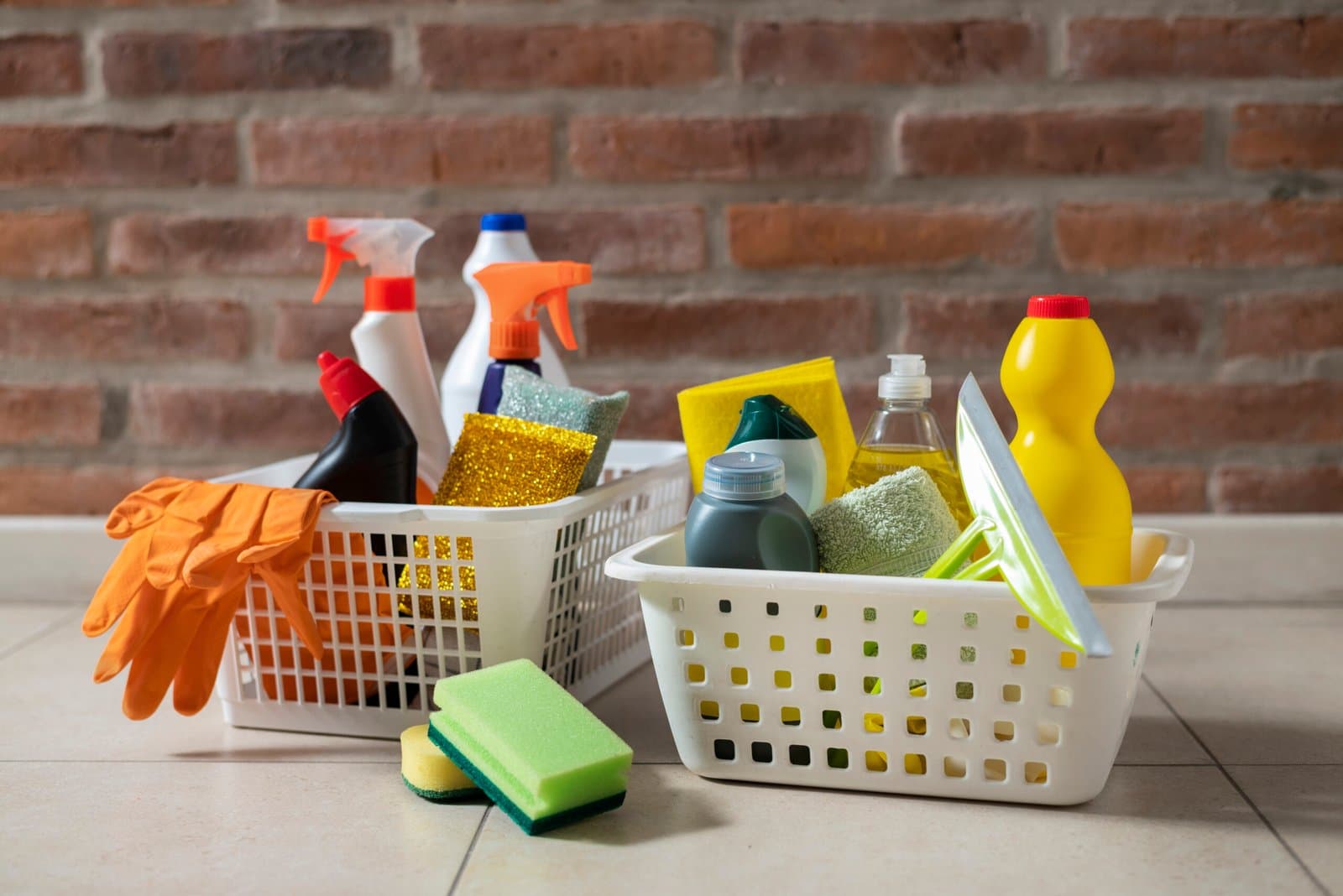
Keeping a business clean isn’t optional, and if you’ve ever run out of hand soap on a Monday morning or watched your paper towel budget creep up every quarter, you already know how quickly cleaning supplies for small business operations add up.
This guide breaks down what to actually stock, how much to buy, and how to move from regular retail runs to a proper bulk cleaning supplies setup.
Whether you’re running an office, retail shop, salon, or small clinic, the categories below cover most of what you’ll need. Your exact needs will depend on your industry and space, but this gives you a practical starting point.
Why Small Businesses Should Buy Cleaning Supplies in Bulk
Cleaning supplies are consumables, which means you’re never really done buying them. That makes them one of the easiest categories to save money on once you move from occasional retail purchases to a regular wholesale order.
Here are some of the main reasons bulk buying makes sense:
- You use cleaning supplies constantly. Unlike furniture or equipment, cleaning products get used every day. Even a small per unit discount can add up significantly over the course of a year.
- Storage is usually manageable. Cleaning products generally take up less space than categories like restaurant equipment or shipping materials, so many small businesses can keep several months of stock on hand.
- Running out can disrupt operations. An office without hand soap or a restaurant without disinfectant may need an emergency store run just to keep normal operations going.
- Commercial products are easier to access through wholesale suppliers. Some cleaning chemicals designed for grease, mold, heavy traffic, or specific commercial environments aren’t commonly available on regular retail shelves.
- Wholesale suppliers may offer better account terms. Depending on the supplier and order volume, businesses may have access to volume discount tiers, recurring-order pricing, net-30 payment terms, or a dedicated account representative.
The Core Categories to Stock
Most small businesses need some combination of the following. You don’t need everything on this list, so use it as a starting checklist and adjust it based on your space and industry.
Hand Hygiene
Hand soap, hand sanitizer, and paper towels or air dryer supplies are usually some of the highest-turnover products in businesses with regular staff or customer traffic.
Surface Disinfectants
Wipes, sprays, and concentrates are useful for counters, desks, door handles, and shared equipment. Concentrated products can be cheaper per use once diluted, although they require more setup than ready-to-use sprays.
Floor Care
Mops, mop heads, and floor cleaner are basic requirements for most businesses. Restaurants and retail spaces with heavier foot traffic usually go through these products faster than typical offices.
Trash and Liners
Trash liners are easy to overlook until you’re out. Buying the correct sizes in bulk for your actual bins is generally more practical than relying on one-size-fits-all retail boxes.
Glass and Window Cleaner
These products aren’t usually high-volume purchases, but they’re worth keeping on hand for storefronts, offices, conference rooms, and other spaces with a lot of glass.
Restroom Supplies
Businesses with public or shared restrooms typically need toilet paper, air freshener, hand soap, paper towels, and restroom-specific cleaning products.
If you’re stocking an office specifically, see our bulk cleaning supplies for offices guide for a room-by-room checklist.
Adjust Your Supply List to Your Industry
Not every business uses cleaning supplies at the same rate.
A restaurant kitchen may go through disinfectant and floor cleaner much faster than a typical office. A medical office may need more hand hygiene and surface disinfection products because of the number of patients and shared surfaces. A retail shop with a public restroom may use significantly more restroom supplies than an office without customer traffic.
The goal isn’t to order every category in equal quantities. Start with the basic categories, then adjust your order based on actual usage.
Commercial-Grade Chemicals vs. Standard Retail Products
One decision small businesses often face is whether to buy standard cleaning products in larger quantities or move to commercial-grade chemicals designed for higher-traffic environments.
Commercial products are generally designed for tougher jobs and may work faster or come in concentrated formulas. They can be useful for environments such as restaurant kitchens, gyms, or other spaces with heavier cleaning demands.
They can also require more careful handling, correct dilution, ventilation, or staff training.
For a typical office, standard bulk versions of everyday cleaning products are often enough. For restaurants, gyms, medical offices, and other high-demand environments, it may make more sense to consider commercial cleaning chemicals designed for those conditions.
A simple way to decide is to look at your current cleaning routine. If products aren’t handling the job effectively or you’re using much more product than expected, buying more of the same product may not solve the problem. A different formulation or commercial-grade product may be more appropriate.
How Much Should You Actually Be Buying?
Buying too much leaves you with a supply closet full of products and money tied up in inventory. Buying too little means constant last-minute purchases.
The right amount depends on:
- Number of employees
- Customer or visitor traffic
- Number of restrooms
- Number of rooms or shared spaces
- Cleaning frequency
- Type of business
- Available storage space
The easiest way to establish a starting point is to track your actual usage for one month.
Record how many rolls of paper towels, bottles of soap, packs of wipes, or bags of trash liners you use. Once you have that number, you can estimate a monthly or quarterly order.
If you want a more detailed approach, see our guide on how much cleaning supplies a small business needs monthly.
Eco-Friendly Options Are More Accessible Than They Used To Be
If sustainability matters to your business or your customers ask about it, there are now plenty of eco-friendly bulk cleaning products available through wholesale suppliers.
Options include plant-based cleaners, biodegradable trash liners, concentrated formulas that reduce packaging, and recycled-content paper products.
The main thing to check is performance. Some eco-friendly disinfectants may require a longer contact time than traditional products. Rather than assuming a product works the same way because it is labeled as commercial-grade, check the product instructions and certification details.
For a closer look at the options available, see our guide to eco-friendly bulk cleaning supplies.
Questions Worth Asking a Cleaning Supplies Wholesaler
Before choosing a supplier, ask a few practical questions:
- What’s the minimum order size or spend?
- Do you offer volume discount tiers?
- Are discounts based on individual products or total order value?
- Do you offer net-30 or other business payment terms?
- What’s the typical delivery lead time?
- Can I set up recurring orders?
- Do you provide a dedicated account representative?
- How do you handle damaged or incorrect shipments?
- Can I combine different product categories into one order?
Getting these details upfront makes it easier to compare suppliers based on the actual cost and service you’ll receive, rather than just the price listed beside an individual product.
Setting Up a Recurring Order
Once you understand your monthly usage, a recurring order can make the entire process easier.
Many wholesale suppliers offer standing orders or scheduled deliveries. Depending on the supplier, you may be able to set the same products to ship monthly, every six weeks, or on another agreed schedule.
A recurring order can help in several ways:
- You don’t have to remember to reorder basic supplies.
- High-use products are less likely to run out.
- Order quantities become easier to forecast.
- Some suppliers offer recurring-order or volume pricing.
- Businesses may be able to establish payment terms such as net-30 once they qualify for a business account.
The main thing to get right is the schedule. If deliveries are too far apart, you risk running out. If they’re too frequent, you may end up with more inventory than your storage space can handle.
Review the first few delivery cycles and adjust the quantity or schedule based on actual usage.
Common Mistakes to Avoid
A few mistakes can make a bulk order more expensive or less useful than it should be.
- Buying based only on the lowest unit price. A cheaper product isn’t necessarily cheaper to use. Check concentration and usage requirements before comparing prices.
- Not labeling diluted chemicals. Unlabeled bottles create an avoidable safety problem, especially when multiple employees handle cleaning products.
- Overbuying products with limited shelf life. Some chemicals can lose effectiveness over time or under poor storage conditions. Check shelf-life information before placing a very large order.
- Ignoring staff feedback. If employees are using a product much faster than expected or consistently saying it doesn’t work well, that information should influence your next order.
- Ordering the same quantities for every area. A restaurant kitchen, office reception area, and retail restroom have very different cleaning requirements.
- Ignoring supplier terms. A slightly higher product price may still make sense if another supplier offers better volume discounts, net-30 terms, recurring-order pricing, or more flexible minimum orders.
Frequently Asked Questions
Do commercial cleaning chemicals require special training?
Some do, particularly concentrated chemicals that require dilution or products designed for specific equipment. Standard commercial disinfectants and surface cleaners may be simpler to use, but employees should still follow the product label and safety instructions.
Is it worth switching suppliers if I already have one?
It can be worth comparing your current pricing periodically, especially if your order volume has increased. Look at more than the unit price. Compare volume discounts, payment terms, delivery times, minimum orders, return policies, and account support.
How do I know if I’m buying too much or too little?
Look at your actual usage and storage situation. If products consistently remain untouched for long periods, your order quantities may be too high. If you’re repeatedly running out before the next delivery, increase the quantity or shorten the delivery interval.
Should I buy cleaning supplies monthly or quarterly?
There isn’t one schedule that works for every business. High-use products such as paper towels and hand soap may need monthly deliveries, while slower-moving products can often be ordered less frequently. Your storage space and usage rate should determine the schedule.