
Where To Store Cleaning Supplies: The Ultimate Guide To Safe and Organized Storage
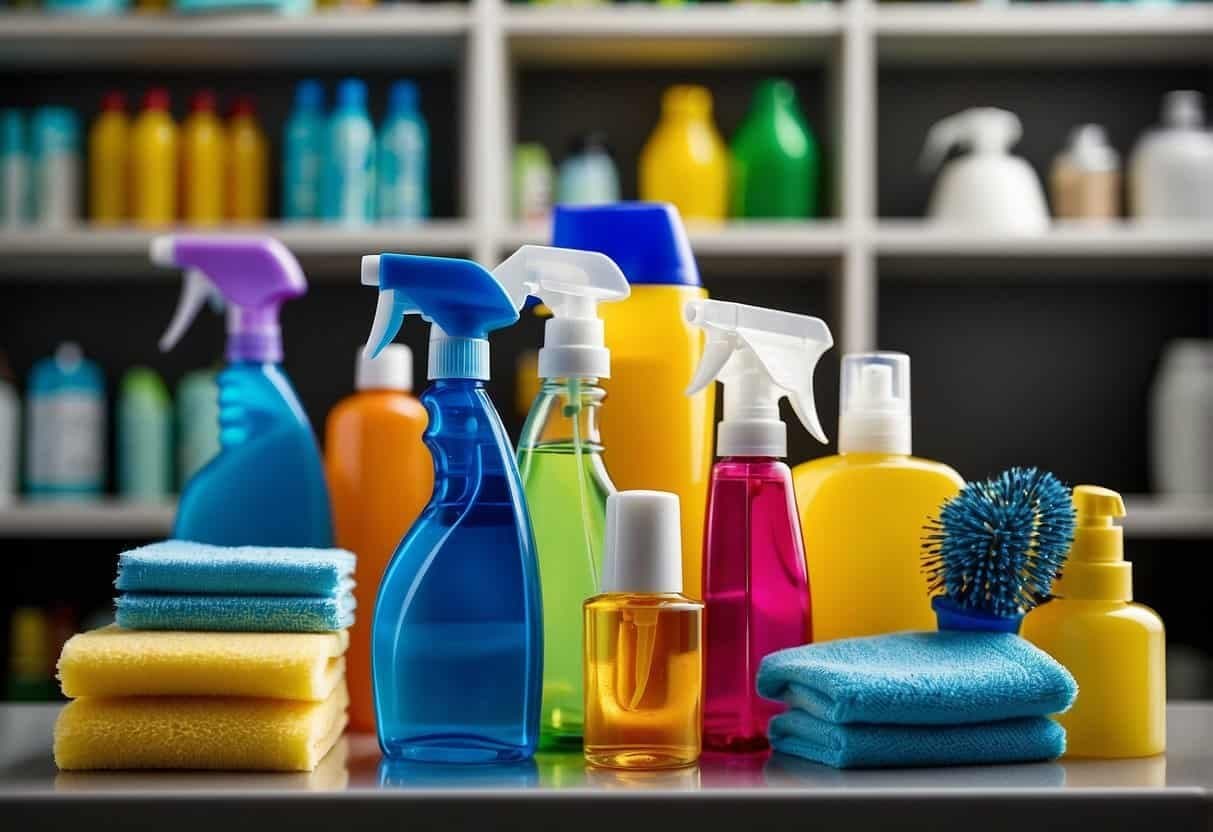
It is equally crucial to get the right materials as it is to preserve cleaning goods properly. Companies, workplaces, schools, restaurants, healthcare facilities, and even homes often focus on buying cleaning goods but forget the need for correct storage practices. Knowing where to store your cleaning supplies is important to increase safety, keep the product effective, reduce accidents, and keep areas orderly.
Improper storage of products can create safety issues, damage products, and create unnecessary waste. Whether you run a large facility or just manage household cleaning supplies, effective cleaning supply storage is a must.
Why You Should Store Cleaning Supplies Properly
Many homes and companies purchase significant volumes of cleaning chemicals and lack an effective storage solution. Knowing where to put cleaning materials can avoid a variety of complications.
Proper storage offers benefits such as:
- Better safety in the workplace
- Organization improved.
- Less wastage of products
- Extended product life
- Simpler inventory management
Poor storage techniques can lead to spillage, contamination, broken packaging, and safety hazards for employees or family members.# Everyday Cleaning Supplies That Need Storage
Before you decide where to store cleaning supplies, it’s helpful to know what goods need to be stored.
Chemical Cleaning Agents
These comprise:
- Germicides
- glass cleaner
- Cleaners for floors
- Bathroom cleaners
- Degreasers
- Multi-purpose cleaning chemicals
Equipment for Custodians
The usual items stored are:
- Mops
- Buckets
- Brushes
- Dust pans
- Rags for cleaning.
- Vacuum devices
Disposable products & paper
Examples are:
- Paper towel
- rubbish sacks
- Bath tissue
- Gloves (one-time use)
Different cleaning products need different storage conditions.
Safe Storage for Cleaning Supplies
One of the greatest issues businesses have is where to store cleaning supplies without causing safety risks or clutter.
Dedicated Storage Rooms for Cleaning Supplies
One of the greatest solutions is a dedicated storage cupboard.
Benefits:
- Improved organization
- Less mess
- Simplified inventory management
- Greater safety
Ideally, closet cleaning should have:
- Shelving units
- Air circulation
- Doors with locks
- Correct labelling
Areas of Utility
Utility rooms work well as they provide:
- Store in one place
- Easy access
- Extra room for bigger equipment
Utility rooms are used in many commercial establishments to store cleaning chemicals as well as housekeeping equipment.
Cabinets with Locks
Additional safety is given to dangerous materials in cabinets.
These are great for:
- Storage of chemicals
- Access restricted
- Protection of children or of unauthorised persons
Cabinets reduce mishaps with hazardous cleaning chemicals.
Storage Rooms in Commercial Facilities
Large organizations often need separate storage facilities for:
- Bulk cleaning products
- Storage of equipment
- Managing inventory
Commercial cleaning storage rooms should be well-organized to reduce confusion and enhance efficiency.
Close to Food Storage Areas
Never store cleaning chemicals near:
- Food stuffs
- Kitchens
- Food prep areas
This decreases the chances of contamination.
High Temperature Regions
Many cleaning products are sensitive to heat.
Don’t stock up on supplies:
- Close to heaters
- Inside hot cars
- Near heat-producing equipment
Extreme temperatures can lessen the efficiency of the chemical.
Wet or Damp Areas
Too much moisture can:
- Damage packaging
- Develop mold problems
- Remove labels
Optimum dry storage conditions.
Children’s access areas
Keep dangerous substances out of reach. For homes, schools, and day care settings.
How to Organize Cleaning Supply Storage
If you know where to put cleaning supplies, it’s easier to keep things tidy.
Use Properly Labeled Shelves
Labels assist :
- Boost efficiency
- Cut down confusion
- Avoid errors
Differentiate Chemicals by Type
Keep items separate by:
- Use
- Hazard degree
- Product Type
This minimizes the possibility of contamination.## Store Commonly Used Items at Eye Level
This is an improvement:
- Accessibility
- Employee performance
- Security
Keep heavy products at the bottom to avoid injuries.
Turnover
Start with the oldest products.
Inventory rotation helps:
- Reduce costs
- Do not buy expired products
- Improve inventory control
Safety Tips for Storing Cleaning Supplies
Safety should always be the number one issue when thinking about where to store cleaning supplies.
Keep products in their original packaging
Never pour a chemical into an unmarked container.
Packaging supplied:
- Safety instructions
- Warnings about Hazards
- Correct identification
Provide adequate ventilation
Some cleaning agents give off fumes.
Ventilation helps:
- Enhance air quality
- Minimizes odor build-up
- Improve workplace safety
Store Immiscible Chemicals Separately
Some substances don’t mix well.
- Bleaching
- Products containing ammonia
- Strong acids
The risk of accidents is reduced by separate storage.
Nearby Safe Spill Management Products
Storage areas shall contain:
- Paper Towels
- Spill kits
- Gloves for protection
Speedy action might limit the damage.
How Good Storage Saves Companies Money
Businesses often fail to realize the importance of good storage.
Good storage procedures will help to reduce:
- Damage to goods
- Additional resequencing
- Inventories losses
- work-related accidents
Companies with organized storage systems typically see cheaper operating costs.
Common storage mistakes to avoid
Many companies make mistakes in the selection of where to store cleaning supplies that can be prevented.
Common errors include:
- Shelves are overstocked
- Storing chemicals together without segregation
- Not observing ventilation standards
- Not fencing off storage spaces
Buying more stuff than you have room to store
Making sure you don’t make these blunders will increase safety and efficiency.
In Conclusion
Knowing where to store cleaning supplies is critical for safe, orderly, and effective operations. For example, no matter if you are running a business facility, healthcare office, restaurant, school, or home environment, the correct storage of cleaning supplies preserves products and minimizes dangers.
The easiest way to do this is to create specialized storage rooms, organize goods the right way, maintain safety protocols, and evaluate inventory regularly. Storage is important for keeping things organized and for working more efficiently to decrease waste and ensure ongoing success.