
Wholesale Business Supplies: The Complete Buying Guide (2026)
Last updated: October 2026
Wholesale business supplies are products bought in bulk directly from a supplier or distributor, at a lower per-unit price than buying individually at retail. Businesses do this to cut costs, avoid running out of essentials, and spend less time on repeat purchasing. This guide covers what wholesale buying actually means, how much to order, and what to look for across the nine main categories almost every business ends up buying from.
If you’ve been grabbing supplies from a retail store or a random online seller whenever something runs low, this is the shift that usually saves the most money for the least effort. Each category section below links to a deeper guide if you want to go further.
What Does “Wholesale Business Supplies” Actually Mean?
Wholesale means buying larger quantities directly from a supplier, at a lower per-unit price than retail. It’s not exclusive to big companies. A five-person office or a single restaurant can buy wholesale too, just at a smaller scale.
The real difference from retail shopping is the relationship. Wholesale suppliers expect repeat business, which opens the door to better pricing, more consistent stock, and eventually custom terms like net-30 invoicing once you’ve built up order history.
Wholesale isn’t automatically the same as buying direct from a manufacturer, either. Sometimes those overlap, but a wholesale supplier for business often carries products from dozens of manufacturers under one roof, so you can order cleaning supplies, office paper, and safety gear from a single account instead of managing ten different vendors.
Why Buying in Bulk Saves Money
Buying in bulk saves money in four ways: lower unit prices, fewer stockouts, less time spent ordering, and protection from short-term price swings.
Lower unit prices. A case of hand soap almost always costs less per bottle than buying one at a time.
Fewer stockouts. Running out of something like printer paper or gloves mid-shift doesn’t just create an inconvenience, it can stop a task entirely until someone makes an emergency run.
Less time spent ordering. Placing small orders every week costs someone hours a month in admin time. A bulk order every month or quarter frees that time for actual work.
Price protection. Prices on paper products, PPE, and packaging materials can spike depending on supply chain conditions. A bulk order at a known price protects you from short-term increases.
That doesn’t mean buying the biggest pallet available on day one. It means matching your order size to your actual usage, which is the next question worth answering.
How Much Should You Actually Order?
The right order size comes from tracking your actual usage, not guessing. Two or three months of past usage, even a rough estimate from your team, is a solid starting point.
A few questions worth answering before placing a large order:
- How much storage space do you actually have?
- Does the product expire or degrade, like cleaning chemicals or some medical supplies?
- Is your usage seasonal, like a restaurant needing more disposables during patio season?
- Can the order be split into scheduled deliveries instead of one large drop?
Most wholesale suppliers are used to these questions and can help you land on a reasonable order size once they can see your ordering pattern.
What to Look for in a Wholesale Supplier
The cheapest price per unit isn’t always the best deal. Check these before committing to a supplier:
- Minimum order requirements. Some wholesalers require a minimum spend or case quantity. Confirm it fits your business size.
- Delivery reliability. Ask about typical lead times, and if possible, ask other businesses in your area who they use.
- Return and damage policies. Bulk shipments occasionally arrive damaged. Know the process before it happens, not after.
- Product range. A supplier covering multiple categories, cleaning, office, safety, packaging, simplifies invoicing and reduces the number of accounts you manage.
- Account terms. After a few orders, ask about invoicing terms, volume discounts, or a dedicated account rep.
Wholesale vs. Retail: What’s Actually Different
Retail pricing is built for individual consumers buying one or two items occasionally, not a business reordering the same products every week. When you buy retail for a business, you’re paying a markup that covers the retailer’s storefront, staff, and marketing, none of which benefit you.
Wholesale pricing skips that overhead, which is why it’s cheaper at volume. The tradeoff is a minimum order quantity and a delivery window of a few days instead of same-day pickup. For recurring business needs, that tradeoff is usually worth it.
The relationship is different too. A retail cashier doesn’t track your order history. A wholesale account rep usually does, and that relationship can turn into better pricing, priority stock during shortages, and a direct contact when something goes wrong with an order.
Understanding Payment Terms and Business Accounts
Most wholesale suppliers offer net-30 or net-60 invoicing to established business accounts once you’ve placed a few orders, meaning you receive the supplies and pay 30 or 60 days later. That improves cash flow, especially ahead of a busy season.
Setting up a business account usually just needs your business registration details and sometimes a trade reference. It’s worth doing early, since it often unlocks wholesale-only pricing that isn’t visible during guest checkout. If you haven’t formally registered your business yet, the SBA’s guide to registering a business walks through what’s required before a supplier can open a wholesale account for you.
Volume discounts are worth asking about directly. A lot of wholesalers run tiered pricing that isn’t advertised clearly online, and simply asking “is there a better rate at a higher order quantity” can lead to a real discount.
The Nine Core Categories of Wholesale Business Supplies
Almost every business buys from some combination of these nine categories: cleaning supplies, office supplies, medical supplies, disposable products, restaurant equipment, hospitality goods, safety equipment, electrical supplies, and shipping supplies. Here’s what each one covers.
The nine core categories, at a glance:
- Cleaning Supplies — disinfectants, hand soap, paper products, floor care
- Office Supplies — paper, stationery, printer consumables, furniture
- Medical Supplies — gloves, PPE, exam room consumables
- Disposable Products — food packaging, gloves, cutlery, tableware
- Restaurant Equipment — kitchen equipment, refrigeration, prep tools
- Hospitality Goods — linens, toiletries, guest room supplies
- Safety Equipment — PPE, fire safety, signage
- Electrical Supplies — wiring, fixtures, job site safety gear
- Shipping Supplies — boxes, tape, packaging materials
Cleaning Supplies

Every business needs to keep its space clean, whether that’s an office, a retail floor, or a commercial kitchen. Buying cleaning supplies for small business in bulk usually covers disinfectants, hand soap, paper towels, mop heads, and trash liners. Cheaper chemicals sometimes mean using more product to get the same result, which can erase the savings.
Office Supplies

An assortment of office supplies arranged on a white surface. Paper, pens, folders, and printer cartridges are the consumables worth buying wholesale. Office supplies in bulk makes the most sense for items you go through constantly, while bigger purchases like furniture are worth comparing case by case against retail pricing.
Medical Supplies

Arrange a collection of medical supplies used in emergency settings. Clinics, dental offices, and small medical practices go through gloves, gauze, exam table paper, and PPE steadily. Bulk medical supplies require more attention to sourcing, since quality and compliance matter more here than almost anywhere else.
Disposable Supplies

Delivery containers for takeaway food on white background Restaurants, salons, and plenty of other businesses rely on gloves, food containers, cutlery, and packaging. Disposable products wholesale is one of the fastest categories to see savings from, since these items get used and thrown away constantly.
Restaurant Supplies

Restaurant equipment is a bigger, less frequent purchase than a consumable, but the savings from wholesale over retail can be substantial. Compare wholesale restaurant equipment prices against retail before opening a new kitchen or replacing worn-out gear.
Hospitality Supplies

Hotels and short-term rentals go through linens, toiletries, and guest room supplies constantly. Buying hospitality goods supplies wholesale keeps guest experience consistent without paying retail prices on items replaced weekly.
Safety Equipment Supplies

Construction sites, warehouses, and standard offices all need the right bulk safety equipment on hand. Hard hats, gloves, fire extinguishers, and signage fall under this category, much of it tied to OSHA’s personal protective equipment standards, and buying ahead of need avoids scrambling to meet a safety requirement.
Electrical Supplies
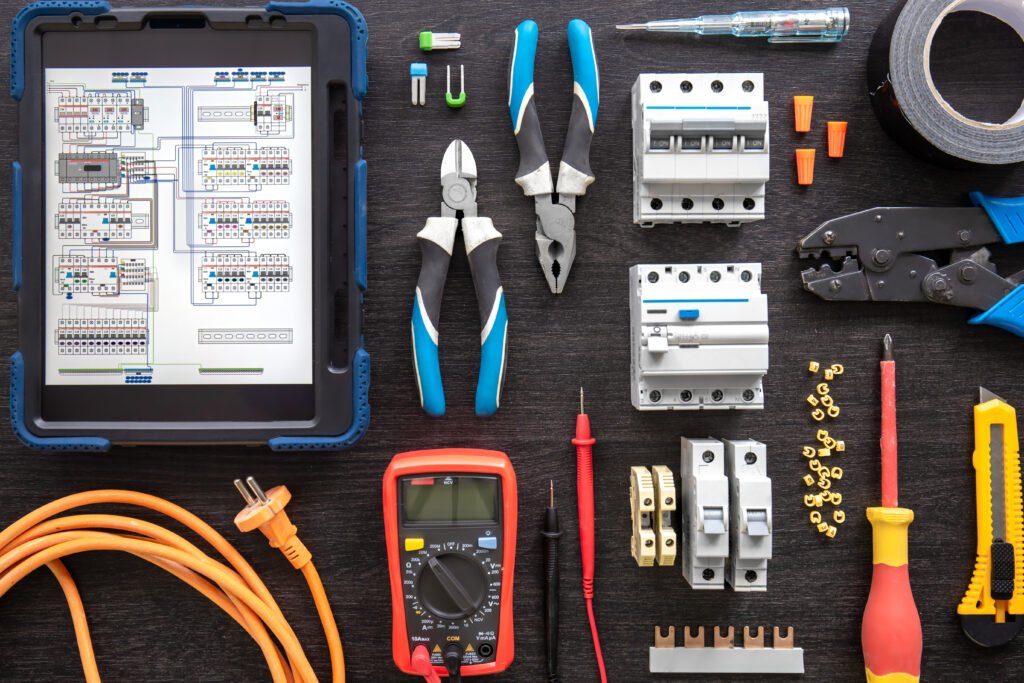
Flat lay composition with electrical tools and digital tablet on wooden background. Contractors and facilities teams rely on a steady supply of wiring, fixtures, and electrical components. Electrical supplies wholesale is worth setting up as an ongoing account if this kind of work happens regularly.
Shipping Supplies
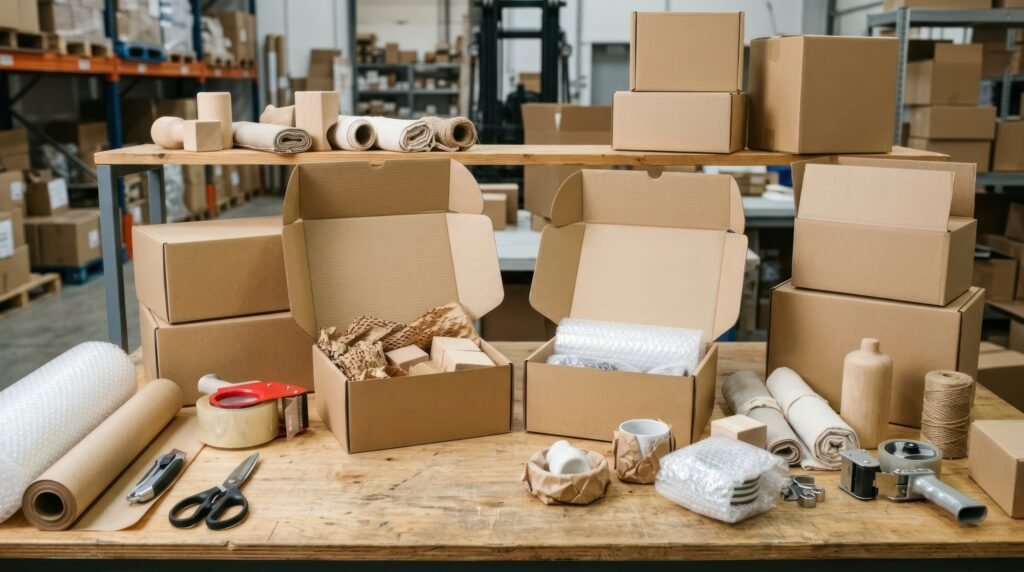
Any business that ships products needs boxes, tape, and packaging materials on a recurring basis. Shipping supplies wholesale is one of the easiest categories to save on quickly, since the packaging itself rarely changes.
Thinking About Sustainability When You Buy in Bulk
Wholesale buying and sustainability line up well in one specific way: ordering less frequently in larger quantities generally means less packaging waste and fewer delivery trips than a string of small orders.
Bulk buying isn’t automatically greener in every case, though. If a product sits unused for months or ends up wasted from over-ordering, the environmental upside disappears. Disposables and cleaning chemicals are the categories where this matters most, and a growing number of suppliers now offer eco-friendly or biodegradable alternatives at wholesale pricing close to, or sometimes better than, standard options.
If sustainability is a priority, ask suppliers directly about certifications, packaging materials, and sourcing rather than assuming a product is eco-friendly because of its label. Products carrying the EPA’s Safer Choice label have actually been evaluated against a documented safety standard, which is a more reliable signal than marketing language alone.
Common Mistakes to Avoid
- Buying based on price alone. The lowest price per case doesn’t matter if the product doesn’t hold up and you end up using twice as much.
- Not tracking usage. Without a rough sense of usage speed, it’s easy to run out constantly or tie up cash in an order you didn’t need yet.
- Sticking with one supplier out of habit. Check pricing periodically, especially for high-volume categories, rather than assuming your current supplier is still the best deal.
- Ignoring storage costs. Cheap bulk pricing isn’t actually cheap if it costs extra storage space or the product goes bad before you use it.
- Treating every category the same way. A six-month order of shipping tape is low risk. A six-month order of perishable cleaning chemicals is a different story.
A Few Common Questions
How is wholesale different from buying in bulk at a retail store? Retail bulk sections still carry retail-level markup and are priced for individual shoppers. A true wholesale account, set up directly with a supplier or distributor, unlocks pricing tiers and terms that retail bulk sections don’t offer.
Do I need a business license to buy wholesale? Most wholesale suppliers require some form of business verification, like a registration number or resale certificate, before opening an account. Requirements vary by supplier and category.
What’s a reasonable order size for a small business just getting started? Start smaller than you think you need for the first order in any new category, then adjust based on how long it actually lasts. This avoids overcommitting to a supplier or a quantity before you have real usage data.
Can I buy wholesale for just one category, or do I need to consolidate everything with one supplier? Either works. Starting with your highest-spend category and expanding later is a common and low-risk approach.
Setting Up Your First Wholesale Order
- Pick your highest-spend or most-reordered category. This is where the savings will be largest and fastest to notice.
- Track two to three months of usage, or estimate it with your team. This becomes the basis for your first order size.
- Compare two or three suppliers on price, minimum order, and delivery reliability, not just the lowest sticker price.
- Place a modest first order, then adjust the quantity and schedule once you see how long it actually lasts.
- Set up a business account once you’re confident in the supplier, to unlock invoicing terms and volume pricing tiers.