
Best Commercial Cleaning Chemicals for Businesses
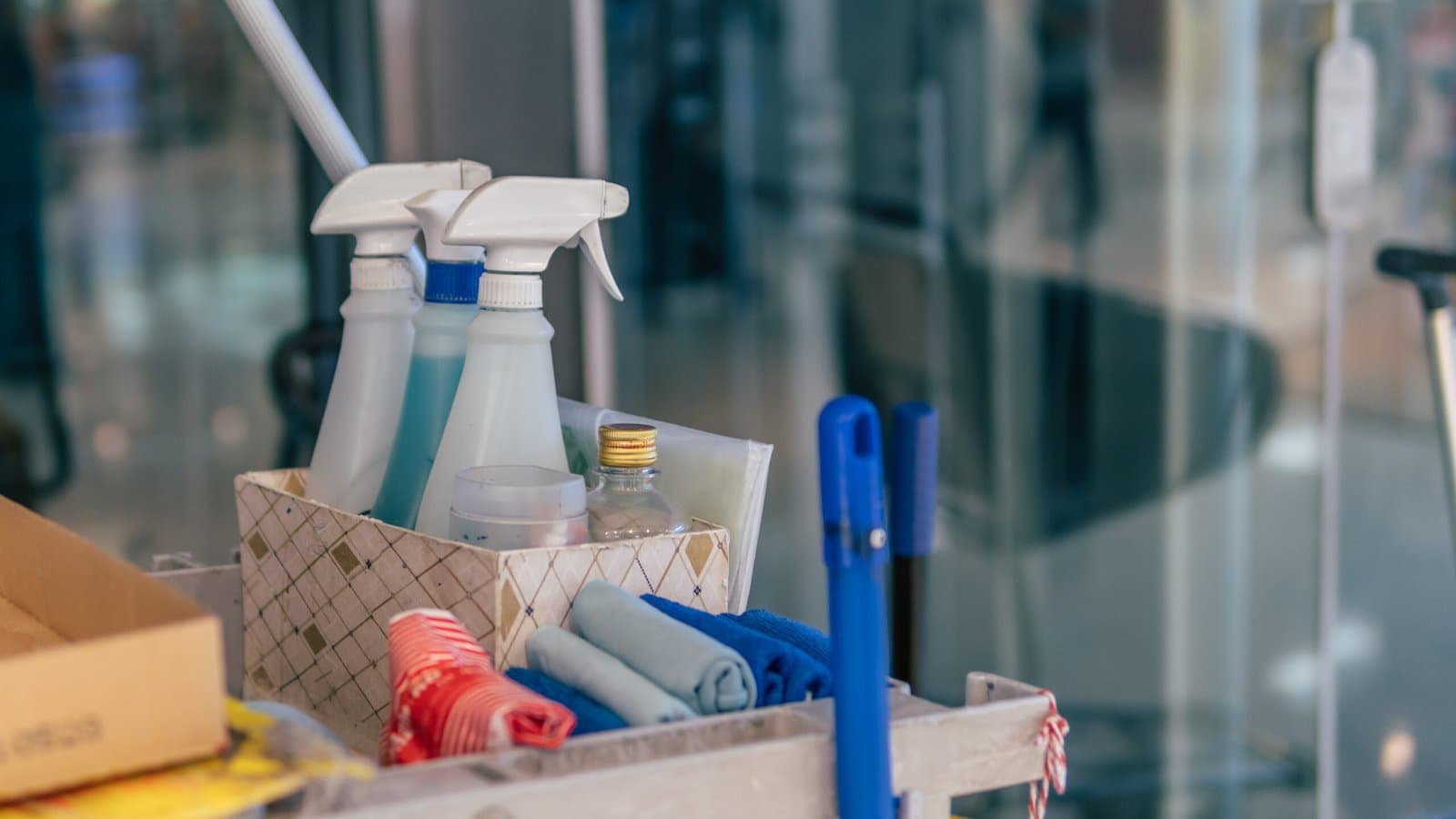
Not every business can get by on the same cleaning products you’d buy for a home. Restaurants, gyms, medical offices, and anywhere else with heavy foot traffic or specific hygiene requirements usually need something stronger, which is where commercial cleaning chemicals come in. This guide covers the main types worth knowing about, how to pick the right ones for your space, and a few things to watch out for when buying in bulk.
This is a companion piece to the broader cleaning supplies for small business guide, focused specifically on the chemical side of the equation.
What Actually Makes a Product “Commercial-Grade”
The term gets used loosely, but commercial-grade cleaning chemicals generally mean one of a few things: higher concentration than consumer versions, formulated for a specific tough job like grease or mineral buildup, or designed to meet a hygiene standard relevant to a specific industry, like healthcare or food service.
In practice, this usually shows up in three ways. The product works faster, meaning less scrubbing or shorter contact time. It’s sold in bulk concentrate form, meant to be diluted rather than used straight from the bottle. And it often requires a bit more care in handling, storage, and sometimes ventilation compared to a standard household spray.
None of that makes commercial chemicals more complicated to use day to day, but it does mean it’s worth reading the label the first time you introduce something new, rather than assuming it works exactly like the consumer version sitting under a kitchen sink at home.
Main Categories of Commercial Cleaning Chemicals
Disinfectants and Sanitizers
These kill bacteria and viruses on surfaces and are the backbone of most commercial cleaning programs. Look for products with an EPA registration number if you’re in food service or healthcare, since that indicates it’s been tested for the claims on the label. Contact time matters here, some disinfectants need to sit wet on a surface for several minutes to actually work, which is easy to miss if you’re wiping immediately after spraying.
Degreasers
Common in commercial kitchens, degreasers are formulated to break down grease buildup on stovetops, hoods, and floors that a standard all-purpose cleaner won’t touch. These tend to be stronger and often need gloves and good ventilation when used in concentrated form.
Industrial Floor Cleaners
Different from a typical mop-and-bucket cleaner, these are built for high-traffic commercial flooring, tile, concrete, or industrial flooring, and often come in concentrate form for use with floor scrubbing machines.
Glass and Multi-Surface Cleaners
Commercial versions of these are usually formulated to dry streak-free faster, which matters more in a retail storefront or office with a lot of glass than it does at home.
Restroom and Odor Control Chemicals
Beyond standard disinfectant, commercial restroom chemicals often include enzyme-based cleaners that break down organic buildup in drains and around fixtures, which regular bathroom cleaner doesn’t address well.
How to Choose the Right Chemicals for Your Business
The starting point is thinking about what your space actually deals with. A few common scenarios:
Restaurants and commercial kitchens need degreasers, sanitizers rated for food-contact surfaces, and floor cleaners that handle grease and spills without leaving a slip hazard.
Medical and dental offices need EPA-registered disinfectants rated for the specific pathogens relevant to healthcare settings, along with proper contact-time products for exam rooms and shared equipment.
Gyms and fitness studios need fast-acting disinfectants for equipment between uses, plus something strong enough to handle sweat and odor on mats and upholstery.
Retail and office spaces usually don’t need the heaviest-duty options, standard commercial disinfectants and glass cleaners cover most of what’s needed, without the added strength (and cost) of industrial-grade chemicals.
If you’re not sure which category applies, it’s worth asking a wholesale supplier directly. Most have experience matching products to specific industries and can point you toward the right concentration and formulation instead of guessing.
Concentrate vs. Ready-to-Use: Which Is Actually Cheaper
Concentrated chemicals that you dilute yourself are almost always cheaper per use than ready-to-use sprays, sometimes significantly so. The tradeoff is convenience. Concentrates require mixing equipment, correct dilution ratios, and clearly labeled bottles once diluted, which adds a small amount of setup work.
For a business with a dedicated cleaning routine or janitorial staff, concentrates are usually worth the switch. For a smaller office where cleaning is handled casually by whoever’s around, ready-to-use products might be worth the extra cost simply because they remove the risk of incorrect dilution or mislabeled bottles.
There’s also a middle option worth knowing about: some suppliers offer pre-measured dilution systems, where a concentrate cartridge locks into a dispenser that automatically mixes the correct ratio with water. This removes the guesswork of manual dilution while still keeping most of the cost savings of buying concentrate, and it’s worth asking a supplier whether they carry this kind of system if manual mixing feels like too much to manage day to day.
Safety Considerations When Buying in Bulk
Commercial chemicals are more concentrated than consumer products, which means a few extra precautions are worth building into your routine:
- Store chemicals away from food storage areas, especially degreasers and industrial cleaners
- Keep safety data sheets on hand for anything used regularly, most suppliers provide these on request
- Make sure diluted bottles are clearly labeled, since diluted concentrate can look identical to water or other cleaning products
- Check ventilation requirements for stronger products like degreasers, particularly in smaller enclosed spaces
None of this needs to be complicated, but it’s worth a quick review any time you introduce a new chemical to make sure your team knows how to handle it correctly.
Common Mistakes When Buying Commercial Cleaning Chemicals
Buying industrial-strength products for light-duty needs. A standard office doesn’t need the same degreaser strength as a restaurant kitchen, and using overly strong chemicals unnecessarily just increases cost and safety considerations without a real benefit.
Ignoring contact time on disinfectants. Spraying and wiping immediately often means the product hasn’t actually had time to kill what it’s meant to. Checking the label for required contact time is a small step that makes a real difference.
Not training staff on concentrate dilution. Getting the ratio wrong either wastes product or reduces effectiveness. A simple posted chart near the mixing station solves this.
Assuming all disinfectants are interchangeable. Different products are tested and registered for different pathogens. A disinfectant fine for general office use might not meet the standard required in a medical setting.
A Few Common Questions
Are commercial cleaning chemicals safe to use around customers or patients? Yes, when used as directed. Most concerns come from improper dilution or inadequate ventilation rather than the products themselves. Following label instructions and allowing recommended contact or drying time keeps things safe for anyone in the space.
Do I need different disinfectants for different surfaces? Not always, but some surfaces, like electronics or certain countertop materials, can be damaged by harsher chemicals. It’s worth checking the label against your specific surfaces, particularly for anything with a delicate finish.
How long do commercial cleaning chemicals typically last in storage? This varies by product, but many concentrates have a shelf life of one to two years unopened. Once diluted, though, most solutions should be used within a much shorter window, often just a few days, since they lose effectiveness over time.
Is it worth buying commercial chemicals if my business is small? It depends on what your space actually needs. A small restaurant or clinic often benefits from commercial-grade products despite its size, since the hygiene demands are the same regardless of headcount. A small office with light cleaning needs usually doesn’t need to go beyond standard bulk products.
Getting Started
If you’re moving from standard cleaning products to commercial-grade chemicals for the first time, start with the one or two areas that need it most, usually the kitchen or restroom in most businesses, rather than replacing everything at once. That gives you a chance to get comfortable with dilution, storage, and handling before scaling the switch across the rest of your cleaning supply list.