
Bulk Cleaning Supplies for Offices: Buying Guide
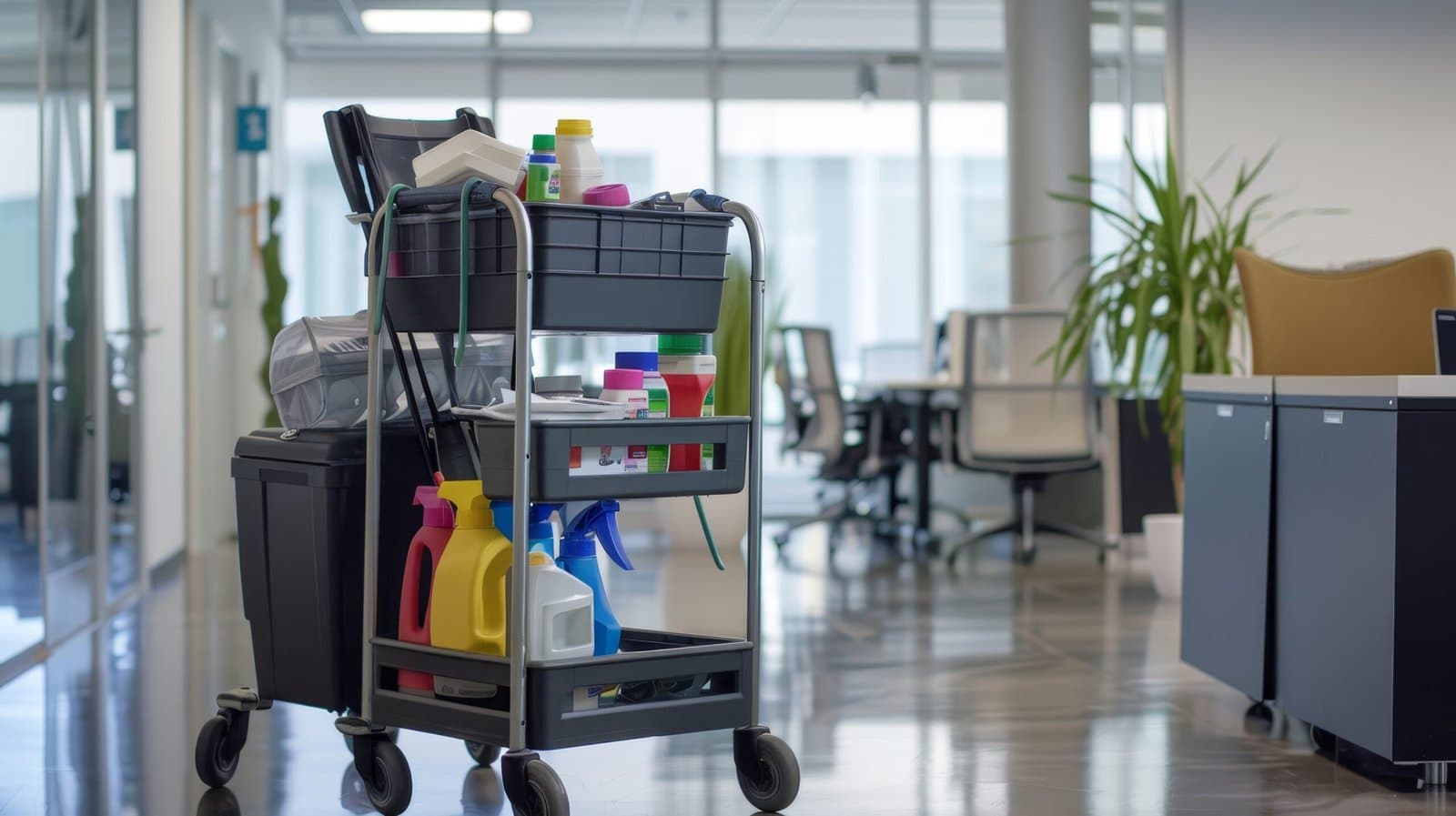
Offices don’t get as messy as restaurant kitchens or construction sites, but they still go through a surprising amount of cleaning product once you add up every desk, shared kitchen, restroom, and conference room.
If you’re setting up a bulk cleaning supplies for offices order for the first time, or you’re trying to figure out why your current setup never seems to have what you need, this guide walks through what to stock and how to think about quantities.
This is a companion to our broader cleaning supplies for small business guide, narrowed down specifically for office environments.
Why Office Cleaning Supplies Are Easy to Get Wrong
Most offices end up with one of two problems.
They either overstock products that barely get used, such as several cases of glass cleaner for an office with very little glass, or they constantly run short on everyday items such as hand soap and paper towels.
The problem usually starts when supply decisions are made once during office setup and never reviewed again.
Headcount changes. People start using more shared spaces. Another floor gets added. The office switches to a different cleaning schedule.
When those changes aren’t reflected in the supply order, the original quantities stop matching reality.
It also helps to have one person responsible for checking inventory. Without clear ownership, everyone assumes someone else is keeping an eye on the supply closet.
Room-by-Room Office Cleaning Checklist
Reception and Common Areas
Reception areas are usually cleaned more frequently because they’re the first thing employees, customers, and visitors see.
Stock:
- Glass cleaner for entry doors and glass partitions
- All-purpose surface cleaner
- Disinfectant wipes
- Trash liners sized for reception bins
- Air freshener if the space has limited airflow
Restrooms
Restrooms are one of the highest-priority areas for janitorial supplies bulk ordering because running out of basic supplies is noticed immediately.
Stock:
- Toilet paper that fits your dispenser
- Hand soap or refill pouches
- Paper towels or air dryer supplies
- Toilet bowl cleaner
- Disinfectant
- Restroom trash liners
- Hand sanitizer where appropriate
Refill pouches can also reduce packaging and make it easier to maintain a consistent supply of hand soap.
Desks and Workstations
Individual workstations don’t require a large collection of products, but shared equipment does need regular attention.
Stock:
- Disinfectant wipes for phones, keyboards, and shared surfaces
- Hand sanitizer near printers and other shared equipment
- Small trash liners for under-desk bins
Break Rooms and Kitchens
Break rooms tend to get dirty quickly and are one of the easiest areas to understock.
Stock:
- Dish soap
- Sponges or scrubbers
- Disinfectant spray or wipes
- Counter cleaner
- Refrigerator-safe cleaning products
- Trash and recycling liners
- Paper towels
If paper towels are heavily used in the break room, keep a separate quantity estimate rather than assuming restroom usage will give you an accurate number.
Conference Rooms and Shared Spaces
Conference rooms and meeting areas usually need fewer products, but they still benefit from regular cleaning.
Stock:
- Surface wipes
- Glass cleaner for glass walls or doors
- Whiteboard cleaner if applicable
Floors Throughout the Office
Your floor-care products depend on the flooring throughout the building.
Stock:
- Floor cleaner suitable for your flooring type
- Vacuum bags or filters if applicable
- Mop
- Mop heads
- Wet floor signs where needed
How Much to Order for a Typical Office
Quantities depend heavily on headcount, office size, cleaning frequency, and visitor traffic.
As a starting point, many small offices may find that a two- to three-month supply provides a reasonable balance between avoiding constant reorders and filling up valuable storage space.
The first order doesn’t have to be perfect.
Track how long your supplies actually last. If your paper towels run out in six weeks instead of the eight weeks you expected, increase the next order slightly.
After one or two order cycles, you’ll have much better information for setting a regular order quantity.
Where to Store Office Cleaning Supplies
A small supply closet can work perfectly well if it’s organized around how the products are actually used.
Keep these basics in place:
- Put high-use items such as hand soap refills and paper towels toward the front.
- Store chemicals away from food-related supplies.
- Label shelves by area, such as restroom, kitchen, and workstation.
- Keep a simple inventory list inside the closet.
- Store heavier boxes where they can be moved safely.
- Keep frequently used supplies accessible to the person responsible for restocking.
If the office spans multiple floors, consider keeping a small backup supply of high-use items on each floor rather than making employees walk to a central closet every time something runs out.
A Simple Monthly Cleaning Supply Checklist
A five-minute monthly inventory check can prevent most emergency supply runs.
Check:
- Restroom paper products
- Hand soap and sanitizer
- Break room dish soap
- Disinfectant wipes and sprays
- Paper towels
- Trash and recycling liners
- Floor-care products
- Vacuum bags or filters if applicable
Assign the check to one person so it doesn’t become a task that everyone assumes someone else is handling.
Common Mistakes in Office Cleaning Supply Orders
- Buying one liner size for every bin. Restroom, kitchen, and desk bins often require different sizes.
- Skipping restocking during slow periods. A quieter holiday period can make supply levels look healthy until normal activity resumes.
- Not preparing for seasonal illness spikes. Hand sanitizer and disinfectant wipes may be used more heavily during cold and flu season.
- Forgetting shared equipment. Printers, coffee machines, shared keyboards, and other equipment need regular cleaning too.
- Ordering without reviewing usage. A fixed order quantity can become inaccurate as headcount and office usage change.
- Ignoring supplier account terms. Ask about volume pricing, minimum orders, recurring deliveries, and business payment terms before assuming the lowest listed price is the lowest overall cost.
Choosing a Wholesale Office Cleaning Supplier
Price is only one part of choosing a supplier.
For an office that orders regularly, look at whether the supplier offers:
- Volume discount tiers
- Recurring delivery schedules
- Net-30 payment terms for qualifying business accounts
- A dedicated account representative
- Consistent delivery lead times
- Flexible minimum order requirements
- Multiple cleaning product categories under one account
Being able to combine products into one recurring order can simplify purchasing and invoicing, particularly if the supplier also carries other business supplies.
Frequently Asked Questions
How often should an office reorder cleaning supplies?
Many small to mid-sized offices may use a monthly or six-week ordering schedule for high-turnover products such as paper towels and hand soap. Slower-moving products can usually be ordered less frequently.
Do I need commercial-grade products for a regular office?
Not usually. Standard bulk versions of everyday cleaning products are enough for most regular office environments. Commercial-grade chemicals become more relevant when cleaning demands are heavier, such as in gyms, restaurants, or medical offices.
What’s the biggest sign an office is under-ordering?
Repeated last-minute store runs are a clear warning sign. If employees regularly have to buy hand soap, paper towels, or disinfectant outside the normal supply order, your quantities or delivery schedule probably need adjustment.
Should cleaning supplies be centralized in one closet?
For a single-floor office, one central supply closet is usually simple and efficient. For larger or multi-floor offices, keeping small quantities of high-use products on each floor can make restocking easier.